At Wavell, students test classroom science in real settings. This term, Year 7 Academic Excellence students studied forces in a wind tunnel, Year 9 Academic Excellence students snorkelled a reef at Sea World, Year 11 Biology students did fieldwork in Toohey Forest, and our top eight Year 11 Physics students visited a UQ laser lab.
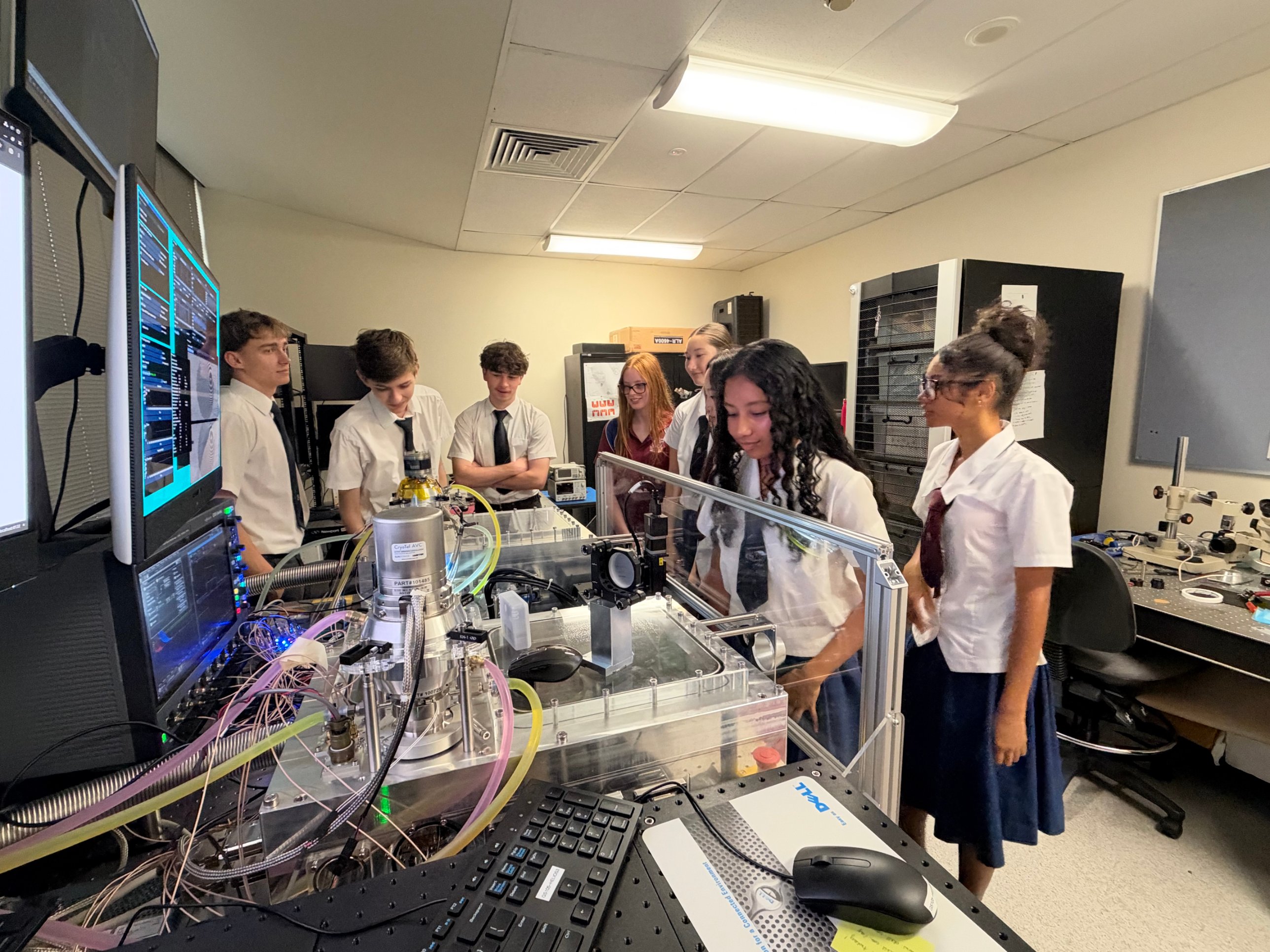
Alt text: Eight Wavell Year 11 Physics students gathered around laser research equipment in UQ's Photonics laboratory.
Year 7: what does it take to hold a person in mid-air?
Year 7 Academic Excellence Science students visited iFLY Indoor Skydiving at Chermside to put their forces unit to the test. In class, they had studied forces, gravity, air resistance and the principles of flight. Inside the vertical wind tunnel, they felt those forces for themselves, investigating how airflow pushes back against gravity and how small changes in body position affect movement and stability.
The visit extended the Year 7 Australian Curriculum unit on forces beyond the classroom. Seeing a concept work in a real setting turns it into understanding. It also builds the critical thinking students need as Science gets more demanding in later years.
Year 9: how do reef organisms depend on each other?
Year 9 Academic Excellence Science students became Marine Investigators for a day at Sea World. In class, they had studied the relationships within reef ecosystems: how marine organisms interact through predation, competition and mutualism.
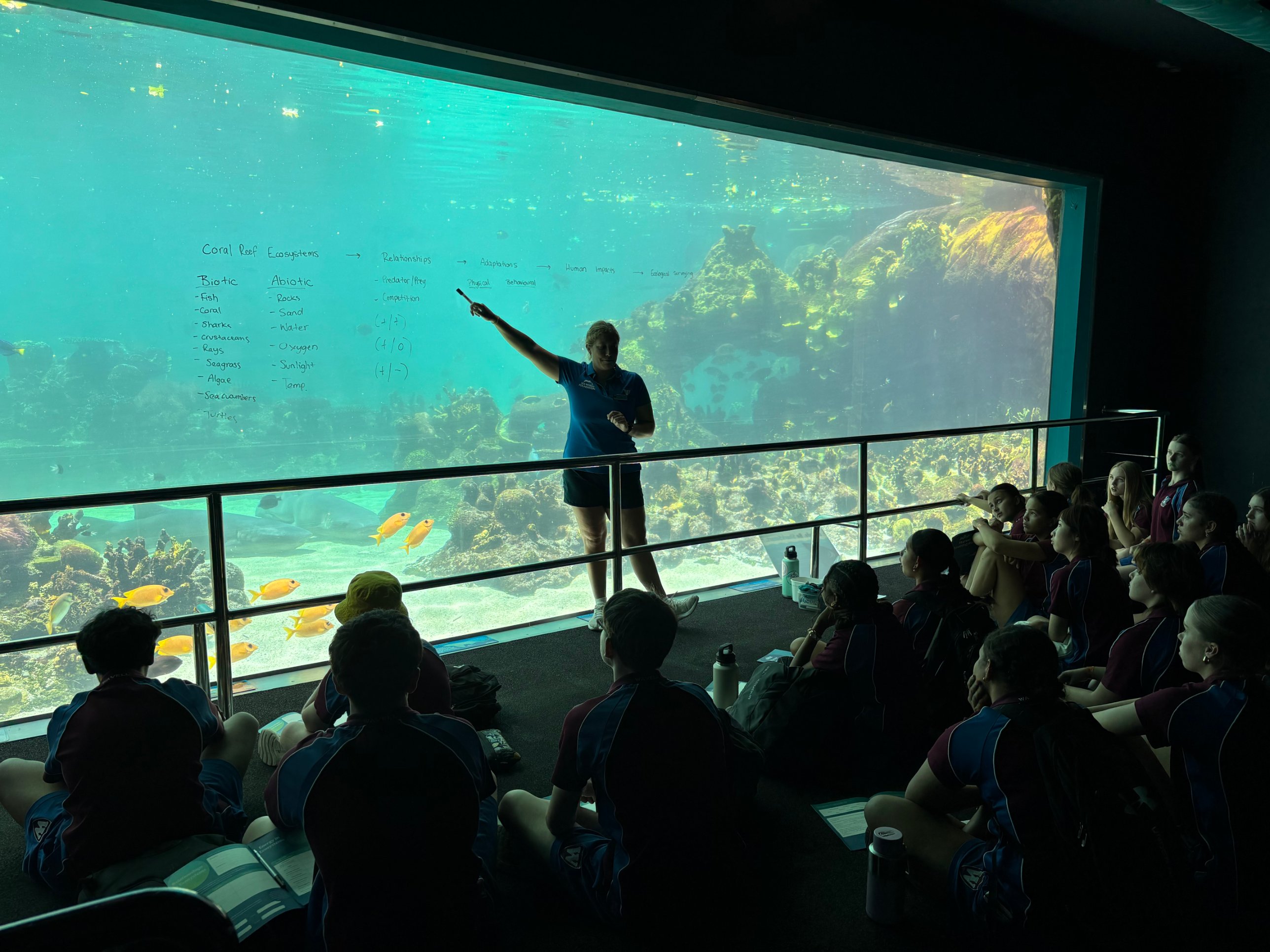
Alt text: A Sea World educator explaining coral reef relationships, written on the glass of a reef aquarium, to seated Year 9 students.
They then took that learning underwater through Sea World's Tropical Reef Snorkel Program, observing marine life first-hand, collecting observational data and developing their own questions for scientific investigation. Turning what they observe into questions they can test is the first step of the inquiry process they will use throughout senior Science.
https://www.youtube.com/watch?v=Rqu7VIjUOxQ
Alt text: Year 9 students snorkelling above coral in Sea World's tropical reef lagoon.
Year 11 Biology: how do scientists measure biodiversity?
In Term 4, Year 11 Biology students travelled to the Toohey Forest Ecocentre for their Unit 3 Ecology fieldwork. After learning ecological sampling techniques, they headed into the forest to collect bird population data with the BirdNET app, and vegetation data from quadrats set along two transect lines. Along the way, they spotted three wild koalas.
![]()
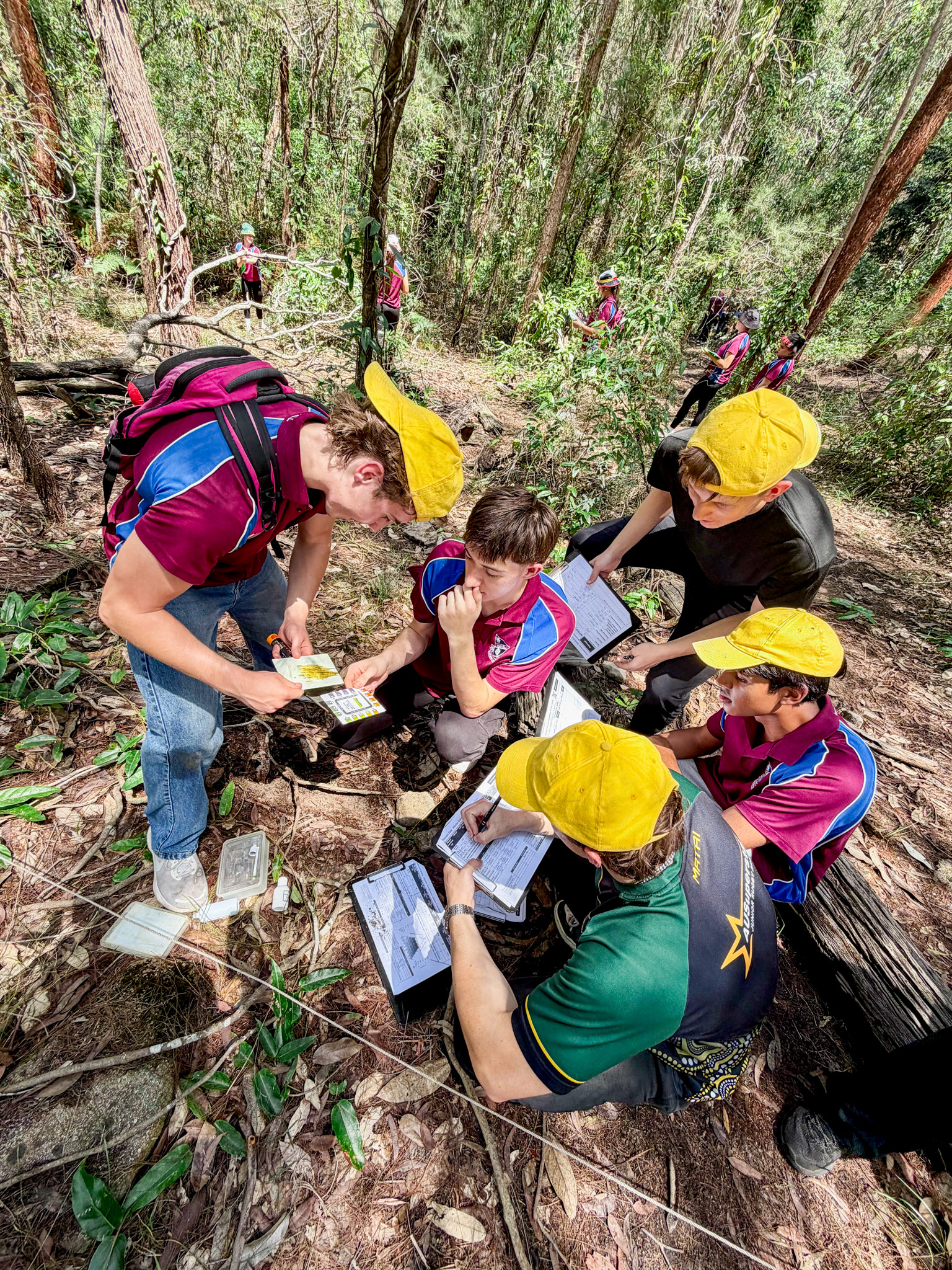
Alt text: Year 11 Biology students recording vegetation data on clipboards beside a quadrat in Toohey Forest.
Back at the Ecocentre, their Biology teacher helped students collate their data and analyse it using Simpson's Diversity Index, a measure that accounts for both how many species are present and how evenly they are spread. That data feeds straight into their Student Experiment Reports, an internal assessment in senior Biology. Before heading home, students met Cootha, the Ecocentre's resident python, and some gave him a careful pat.
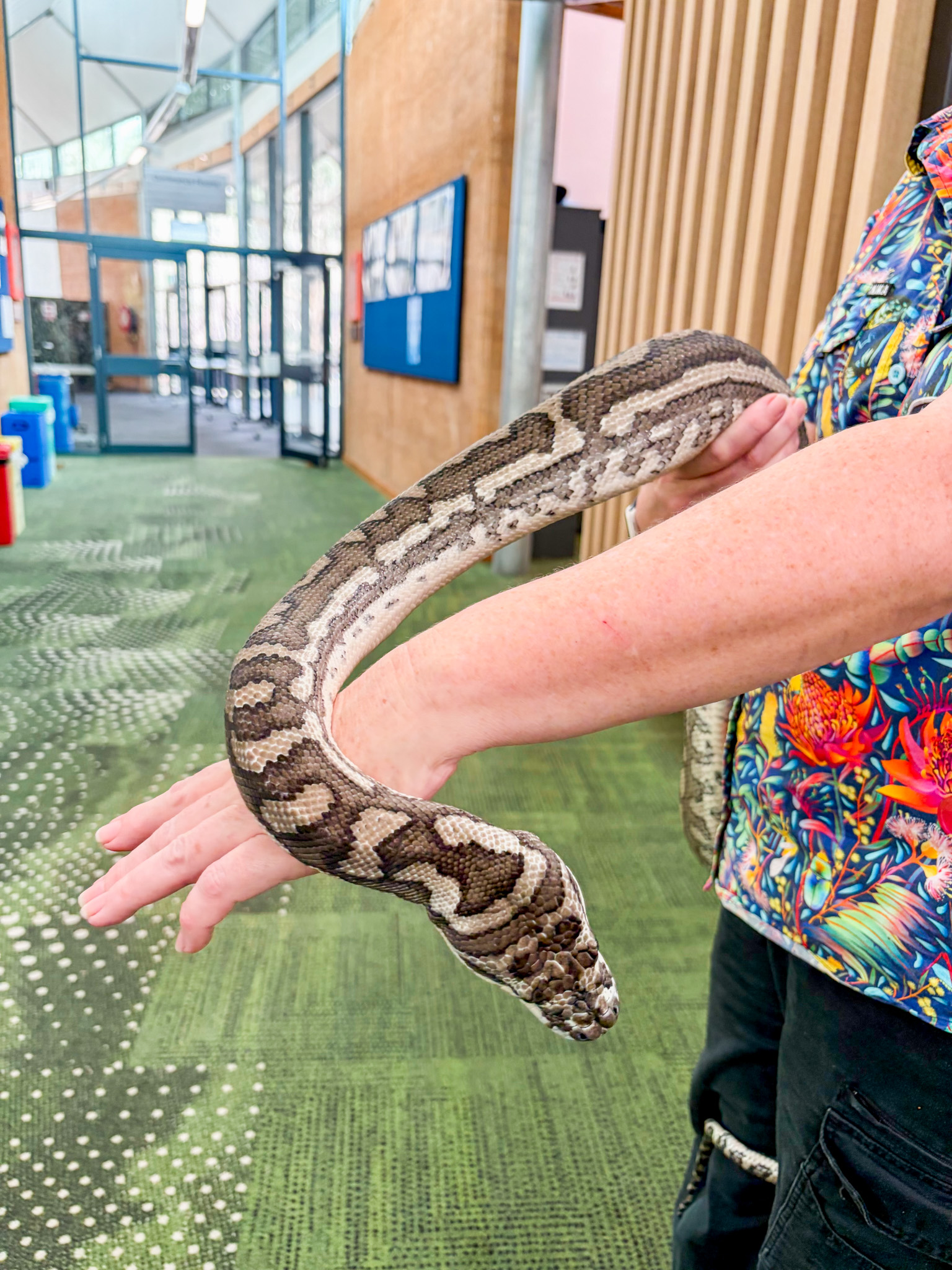
Alt text: Cootha, the Toohey Forest Ecocentre's resident python, resting on a handler's arm.
Year 11 Physics: what happens inside a research laser lab?
In Term 4, Wavell's top eight Year 11 Physics students visited UQ's Photonics laboratory, where researchers use terahertz lasers and a quantum laser to analyse samples. Students first learned how the different lasers work and what it takes to run them: the setup has to be kept in a vacuum and cooled to minus 70 degrees Celsius.
Researchers then walked students through their current work. The main project uses a terahertz laser to scan skin and identify different types of skin cancer, with the aim of diagnosing cancer without expensive biopsies and pathology tests. The same technology is being used to measure how far acid rain has worn away the Taj Mahal, and to image mushrooms to compare their growth and the electrical signals they use to communicate with each other.
![]()
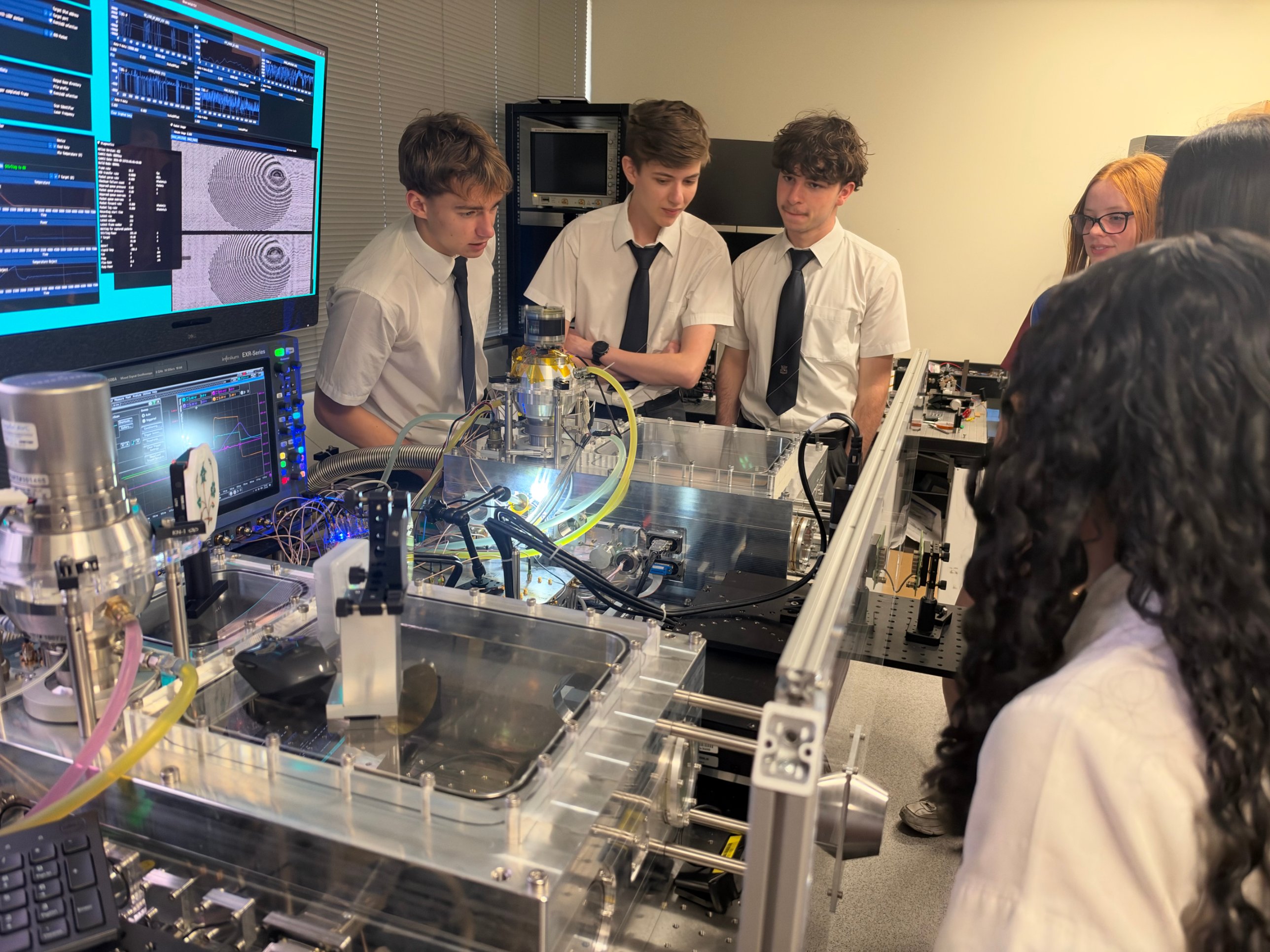
Alt text: Year 11 Physics students watching live laser scan data on a monitor beside the vacuum chamber in UQ's Photonics laboratory.
Students also learned how scientific research is funded and saw the next generation of laser equipment being built on the lab's workbenches. The visit finished at UQ's Physics Museum, where students compared today's technology with the equipment physicists once worked with.
Why take science out of the classroom?
In senior Science subjects, students are assessed on how well they plan investigations, collect reliable data and draw conclusions from it. Fieldwork and lab visits give them practice with real data, real equipment and real conditions before those assessments count. Visits like the Photonics lab also show students where Science can lead into research, medical technology and careers they may not have heard of yet.
How can my child take part?
Many of these opportunities come through Wavell's Academic Excellence Program, one of our six Programs of Excellence, which students enter in Year 7 by application and testing. Others, like the Toohey Forest fieldwork and the Photonics lab visit, are part of senior subjects such as Biology and Physics. Explore our Programs of Excellence or find out about enrolling at Wavell.
Frequently asked questions
Is science hands-on at Wavell?
Yes. Students regularly take classroom concepts into real settings, from forces at iFLY in Year 7 and reef snorkelling at Sea World in Year 9 to ecological fieldwork in Year 11 Biology and a research laser lab in Year 11 Physics.
Are these excursions only for Academic Excellence students?
Some are. The iFLY visit and the Sea World Marine Investigators program were for Academic Excellence classes. The Toohey Forest fieldwork was part of the Year 11 Biology course, and the Photonics lab visit was for our top eight Year 11 Physics students.
Does Wavell work with universities in science?
Yes. Students take part in UQ's Wonder of Science program, visit UQ research facilities such as the Photonics laboratory, and the report by Wavell's UQ Science Ambassadors was named Highly Commended by UQ in 2026.
Follow us on social media to stay up to date with the latest information.
Wavell State High School Instagram Page
Wavell State High School Facebook Page